How Professional Septic Services Support System Longevity


A septic system does its best work when nobody thinks about it. Toilets flush, sinks drain, laundry runs, and the yard stays dry. That quiet performance creates the illusion that the system is simple and self-sustaining. It is neither. A septic system is a working piece of infrastructure, buried out of sight, exposed to water volume, solids loading, soil conditions, bacterial balance, seasonal shifts, and the habits of everyone in the house. Professional septic services matter because they keep that system operating within the narrow range where it lasts.
Longevity is not luck. It comes from routine pumping at the right interval, informed inspections, measured repairs, and accurate diagnosis when something begins to drift off course. Homeowners often hear broad rules, pump every three to five years, avoid grease, do not flush wipes, but in the field, real performance depends on details. Tank size, occupancy, garbage disposal use, water softener discharge, older baffle design, root intrusion, and drain field condition all change the maintenance picture. A qualified septic technician reads those details before they become expensive failures.
What long life actually looks like in a septic system
When people talk about a septic system lasting for decades, they are usually talking about two different lifespans. The tank itself, especially if concrete and structurally sound, may remain serviceable for many years. The drain field is more delicate. It relies on soil accepting and treating wastewater at a steady rate. Once that soil becomes overloaded with solids or saturated from hydraulic stress, recovery is difficult and sometimes impossible.
That distinction matters. Many costly septic failures start in the tank but end in the drain field. A cracked outlet baffle, neglected pumping schedule, or unnoticed filter blockage can allow suspended solids to move where they should never go. Once those solids leave the tank and enter the field lines, they begin clogging the soil interface. The homeowner may not notice anything until the warning signs show up inside the house or above ground in the yard. By then, the damage is no longer cheap.
Professional septic services extend system life by protecting that boundary. The technician is not just emptying a tank. Done properly, the work preserves the treatment sequence: solids settle, scum floats, clarified effluent exits, and soil finishes the job. That sequence is the difference between a system that quietly runs for decades and one that fails years before it should.
Pumping is not just maintenance, it is protection
Routine pumping is the service most homeowners recognize, and for good reason. Every septic tank accumulates sludge on the bottom and scum on the surface. Bacteria reduce some solids, but they do not make them disappear. If the tank is not pumped before those layers grow too thick, they reduce retention time and increase the chance that solids will move out of the tank.
A professional pumper does more than remove liquid. Experienced crews note sludge depth, scum thickness, tank condition, access points, inlet and outlet performance, odors, and signs of infiltration. They can often tell, from one visit, whether the household is using too much water, whether the previous service interval was too long, or whether grease has become a chronic problem. Those observations are valuable because they translate into a maintenance schedule that matches actual use, not generic advice.
A family of five with a garbage disposal and frequent laundry loads may need more frequent service than a retired couple in the same neighborhood with the same tank size. That is obvious to industry people, but it is still one of the most common sources of preventable wear. Homeowners assume time alone sets the schedule. In practice, solids loading and water use matter just as much.
One issue that often gets missed in do-it-yourself thinking is incomplete pumping. If a provider removes only part of the contents or skips proper agitation where needed, settled solids can remain behind and continue building quickly. Thorough service resets the tank. Shortcut service only creates the appearance of maintenance.
Inspection is where longevity is won
Septic systems rarely fail without sending signals first. The problem is that those signals are subtle until they are not. Professional inspections catch early-stage trouble while there are still options.
A strong inspection includes structural checks of the tank, evaluation of baffles or tees, observation of water level, filter condition, evidence of backflow, and, when appropriate, https://shanenkbm784.raidersfanteamshop.com/how-septic-services-help-protect-local-groundwater assessment of the drain field area. In some cases, the technician may identify that the tank liquid level is abnormally high, suggesting downstream restriction. In others, they may find the level low, pointing to a leak. Both conditions matter, and both can go unnoticed for years if nobody looks.
Buyers often request inspections during real estate transactions, but routine ownership inspections are just as important. A system does not wait for a sale to develop problems. In older installations, especially those with steel components, aging concrete, or undocumented modifications, inspections serve as a baseline. Once a professional understands what is in the ground, maintenance becomes far more precise.
I have seen situations where a homeowner assumed their system was “fine” because there was no backup inside the house. The tank, however, was missing an effective outlet baffle, and solids had already begun migrating into the field. There was still time to correct the tank-side issue and install additional protection. Another year of neglect would likely have meant partial field replacement. That is the value of inspection in plain terms. It converts hidden deterioration into actionable maintenance.
Small components, big consequences
The long life of a septic system often depends on parts that most homeowners never see. Baffles, tees, risers, effluent filters, lids, distribution boxes, and inspection ports are not glamorous, but they do critical work. When those pieces are damaged or absent, the entire system becomes less forgiving.
An outlet baffle or sanitary tee slows the movement of floating and suspended solids toward the drain field. An effluent filter provides another layer of protection by trapping particles before they exit the tank. A distribution box helps spread effluent evenly across field lines. If that box tilts or clogs, one section of the field can receive too much flow while another receives too little. Uneven loading shortens field life, sometimes dramatically.
Professional septic services support longevity because technicians check these components in context. Replacing a worn lid improves safety, but adding risers can also improve the consistency of future maintenance because access becomes easier and less invasive. Cleaning or replacing an effluent filter may prevent a backup, but it also protects the field from solids migration. Leveling a distribution box is a small correction compared with rebuilding a failed absorption area.
This is where professional judgment matters. Not every system needs every upgrade. A newer installation with good access and sound components may only need routine monitoring. An older system with buried lids, no effluent filter, and uncertain outlet protection may benefit from strategic updates that materially extend its service life.
Water use habits and septic stress
A septic system does not only process waste, it processes flow. Excess water is one of the fastest ways to shorten the life of both the tank and the drain field. Professional septic services often include practical guidance on how household behavior affects long-term performance, because many chronic problems are hydraulic before they are mechanical.
A single leaking toilet can send hundreds of gallons a day into a system. Back-to-back laundry loads, especially in large households, can surge the tank and field. Sump pumps, roof drains, and foundation drains should never be tied into a septic system, yet technicians still encounter versions of this mistake. Water softener discharge can also complicate performance in some systems, depending on local conditions and setup.
The challenge is that excess water does not always create immediate symptoms. A drain field can absorb punishment for a while, especially in dry seasons. Then a wet spring arrives, the soil is already stressed, and the margin disappears. What looked fine in August becomes a surfacing problem in March.
Professional service providers see these patterns repeatedly. They can connect yard saturation, slow drains, unusual pumping frequency, and occupancy changes into a useful diagnosis. That perspective helps homeowners make targeted corrections instead of guessing.
Maintenance that protects the drain field
If the tank is the first line of defense, the drain field is the asset everyone is trying to protect. Replacing or reconstructing a field is usually the largest septic expense a homeowner can face, which is why so much professional maintenance is aimed at preserving soil treatment capacity.
Here are the maintenance practices that do the most to support drain field longevity:
- Pump the tank before sludge and scum levels threaten the outlet.
- Inspect and clean effluent filters on a schedule suited to actual use.
- Address leaks and excess water sources inside the home promptly.
- Keep vehicles, heavy equipment, and construction traffic off the field area.
- Remove trees or aggressive roots when they threaten lines or tank components.
Each of those steps sounds simple, but the real value lies in timing and judgment. Pumping too late allows solids migration. Filter cleaning done only after a backup is reactive, not preventive. Traffic over a field may not crush lines in one pass, but repeated compaction reduces soil oxygen and treatment performance over time. Roots may not block a line completely at first, yet they can distort flow enough to create uneven loading. Professional septic services turn those general principles into property-specific action.
Diagnosing the problem you can’t see
One of the most expensive mistakes in septic care is treating symptoms without finding the cause. A backed-up line might be blamed on the tank when the true problem is a saturated field. A wet yard might be dismissed as rain when the distribution box is failing. Slow drains inside the house may look like a plumbing problem but actually reflect a full tank, blocked filter, or downstream restriction.
Professionals bring process to that ambiguity. They look at liquid levels, flow path, usage patterns, service history, weather conditions, and structural condition together. Sometimes the answer is straightforward. A clogged effluent filter can create indoor drainage issues and is often resolved quickly once identified. Other times, the diagnosis requires more care. A field may be partially compromised but not fully failed, which changes the recommendation. The technician may advise reducing hydraulic load, correcting upstream issues, and monitoring performance rather than pushing immediately toward replacement.
That nuance matters because septic systems exist on a spectrum. Not every concern is an emergency, and not every symptom has a single cause. Homeowners benefit when a service provider can distinguish between temporary stress, repairable defects, and true end-of-life conditions.
A good example is odor. Septic odor near a tank riser after service is one thing. Persistent odor in the yard, around plumbing fixtures, or near the field is another. The source could be a lid seal, venting issue, overloaded soil, leak, or backup. Guessing leads to wasted money. Diagnosis extends life because it prevents the wrong repair.
The role of recordkeeping
One habit separates properties with consistently durable septic systems from those that seem to lurch from one surprise to the next: recordkeeping. Professional septic services become far more effective when there is a clear history of pumping intervals, repairs, inspections, component replacements, and occupancy changes.
That record does not need to be complicated. What matters is continuity. If a technician knows the tank was pumped three years ago, the outlet tee was replaced two years ago, the home added a bathroom last year, and the household size doubled six months ago, they can interpret current conditions much more accurately. Without that context, every service call begins half blind.
Records are especially important for homes with older or nonstandard systems. Over time, lids get buried, lines get altered, and ownership changes erase institutional memory. A hand-drawn site sketch, photos of open tank compartments, and invoices that note component condition can save significant labor later. They also reduce the risk of accidental damage during landscaping or construction.
Why cheap service often becomes expensive service
Price matters, but septic work is one of those trades where the lowest bid can cost the most over time. Homeowners sometimes compare only the pumping invoice and assume every provider is offering the same thing. They are not.
A higher-quality septic service typically includes fuller inspection, better communication, cleaner access practices, proper waste handling, and more useful recommendations. The crew may locate and open all relevant lids rather than stopping at the easiest access point. They may note deteriorated concrete, missing baffles, or a stressed field area. They may explain whether the observed sludge level suggests adjusting the service interval. That information has value because it changes future outcomes.
By contrast, bare-minimum service can leave solids behind, overlook component problems, or fail to document conditions that matter. A homeowner may save money that day and lose far more later when a preventable issue reaches the drain field.
This does not mean the most expensive provider is automatically the best. It means septic work should be judged on competence, thoroughness, and credibility, not price alone. In practice, the companies that support system longevity tend to ask better questions, give more specific answers, and avoid one-size-fits-all advice.
Seasonal conditions and aging systems
Longevity planning becomes more important as systems age and as site conditions become less forgiving. Cold climates, high groundwater, heavy clay soils, and lots with limited replacement area all increase the cost of neglect. A professional service provider adjusts maintenance to those realities.
Spring often reveals problems that were hidden through drier months. Snowmelt and rainfall raise soil moisture, reducing the field’s ability to accept effluent. Autumn is a useful time for inspections because access is easier and technicians can spot issues before winter. In vacation areas, seasonal occupancy swings create another layer of complexity. A system that sits underused for months and then gets hit with heavy weekend traffic behaves differently than one serving a steady year-round household.
Older systems deserve special attention because standards and materials have changed over time. Some legacy installations lack modern access, filtration, or documented design details. Others were built for smaller households and now serve larger families. Professional septic services help bridge that mismatch. Sometimes the right answer is simply more frequent pumping and stricter water management. Sometimes it is upgrading access risers, adding filter protection, or correcting a distribution problem before it cascades.
Warning signs that deserve prompt attention
Homeowners do not need to become septic experts, but they should know when to call for help. These symptoms are worth taking seriously:
- Drains throughout the house become slow at the same time.
- Sewage odor persists indoors or over the tank or field area.
- The yard shows soggy spots or unusually green strips near field lines.
- Toilets gurgle or backup after heavy water use.
- Pumping seems necessary more often than in the past.
Each sign has multiple possible causes, which is exactly why professional assessment matters. Repeated pumping without diagnosis is not maintenance, it is postponement. If the system’s behavior changes, the goal is to understand why, then act before the condition hardens into failure.
Septic longevity is built through timing and judgment
There is a practical difference between a septic system that survives and one that performs well for decades. Survival means it has not completely failed yet. Real longevity means it handles normal household use without recurring backups, chronic odors, or field distress. That outcome usually reflects years of timely service, careful observation, and restrained use.
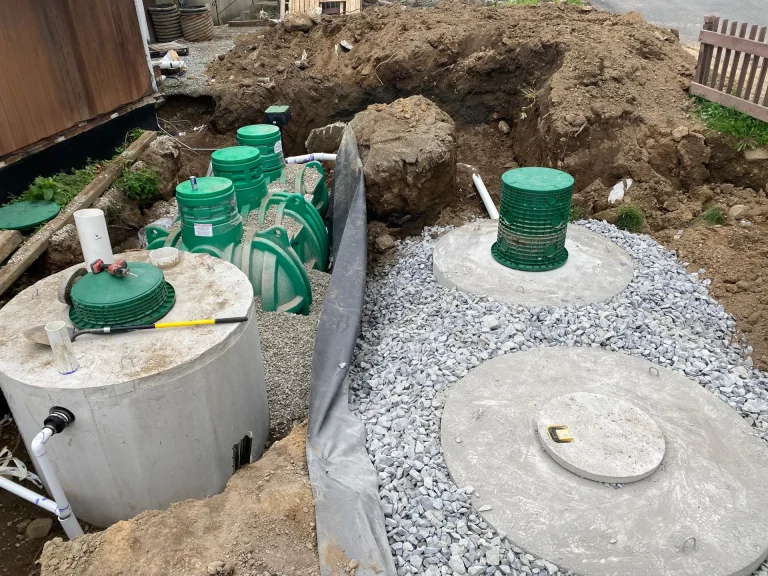
Professional septic services support that kind of longevity because they bring rhythm to a system that otherwise gets ignored until something goes wrong. They keep solids from reaching the field. They spot damaged components early. They translate household changes into maintenance adjustments. They document conditions that matter later. They also help homeowners avoid the two extremes that do the most harm, neglect on one side and panic spending on the other.
The best septic systems are not always the newest ones. They are often the ones that have been watched, serviced, and understood over time. That is the real advantage of professional care. It preserves the quiet, invisible work happening below ground, and it gives the system its best chance to keep doing that work for many years.
Excavating New Jersey LLC
Address: 406 County Rd 565, Wantage, NJ 07461
Phone number: +19737914284
FAQ About Septic Services
What is the average cost to get a septic tank emptied?
Emptying a septic tank costs between $290 and $560 on average, with most homeowners paying about $420. Prices vary based on tank size.
What is septic service?
Septic service inspects, pumps, cleans, and maintains a septic tank. A septic tank is a large, underground container that collects and treats wastewater from your home. Over time, sludge, scum, and other debris, like hair and solids, can build up in your tank and clog your drain field.
How often should you have a septic tank serviced?
A standard septic tank should be inspected every 1 to 3 years and pumped every 3 to 5 years. However, the exact schedule depends on your tank's capacity, household size, and daily water usage.